Introduction to Spaced Repetition
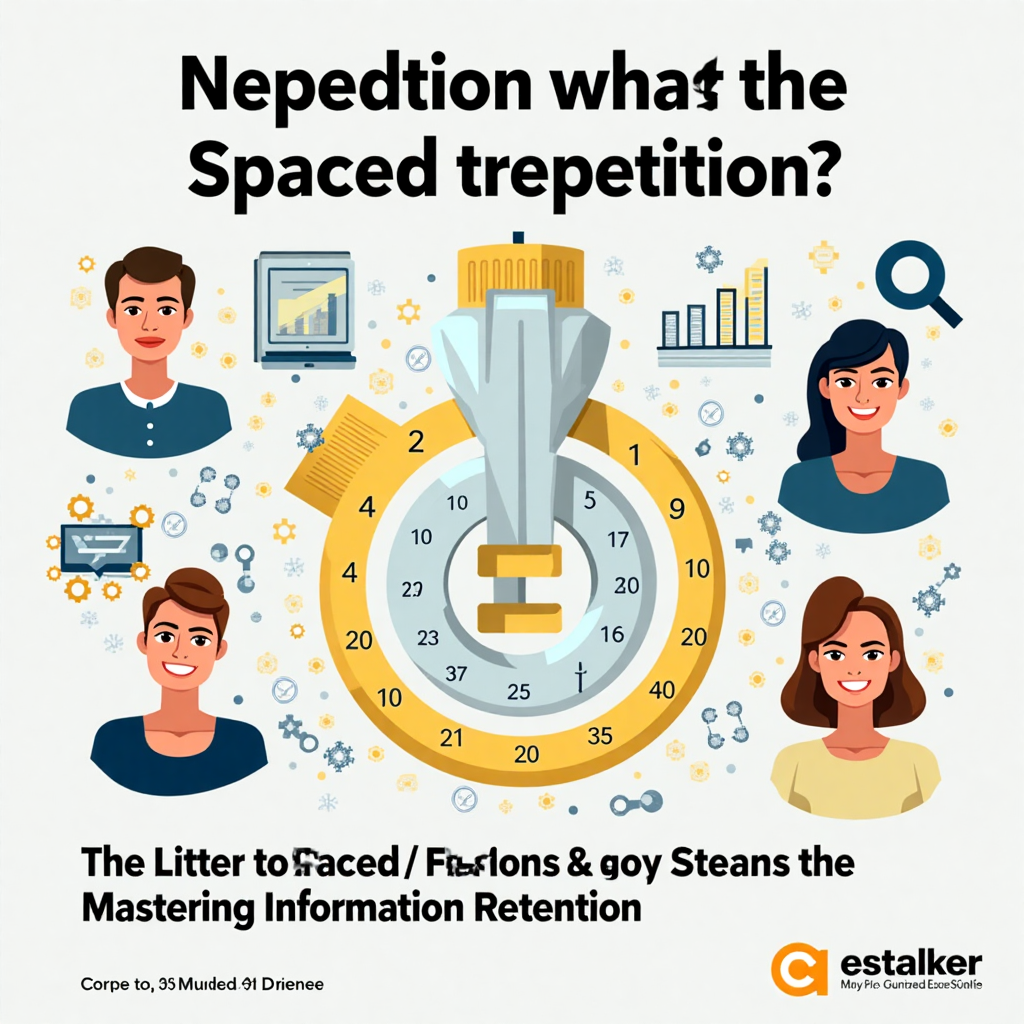
Spaced repetition is a powerful learning technique that has gained significant popularity in recent years, particularly in the fields of language learning, content creation, and memory enhancement. Originating from psychological research, this method involves revisiting information at increasing intervals over time, which has been proven to improve long-term retention and understanding. By leveraging the principles of spaced repetition, individuals can optimize their learning processes and achieve better academic and professional results.
Understanding the Theory Behind Spaced Repetition
Spaced repetition is rooted in well-established psychological principles, including the spacing effect, testing effect, and active recall. The spacing effect suggests that learning is more effective when information is reviewed at progressively longer intervals as it is initially mastered. This principle is evident in traditional flashcards, where repeated exposure to information over time leads to better retention. The testing effect, on the other hand, highlights the cognitive benefits of retrieval practice, as actively recalling information strengthens memory. Finally, active recall, or self-testing, engages the brain more deeply than passive review, enhancing the encoding of information into long-term memory.
Key Benefits of Spaced Repetition
- Improves Memory Retention: By spacing out reviews, the brain has more time to consolidate information, leading to stronger memory retention.
- Reduces Cognitive Load: Spaced repetition distributes the cognitive effort required to learn information over time, making it easier to process and remember.
- Boosts Confidence: Regular review and successful recall can enhance one’s confidence in their ability to retain and apply the information.
- Enhances Long-Term Understanding: The spaced repetition process encourages deeper processing of information, leading to a more profound understanding of the material.
Practical Applications of Spaced Repetition
Spaced repetition is not limited to language learning; it can be applied to various aspects of life where information retention is crucial. Whether you’re studying for exams, learning a new skill, or retaining professional knowledge, spaced repetition can be a valuable tool. For instance, in language learning, spaced repetition apps like Anki use this technique to schedule review sessions for vocabulary words, ensuring that you revisit them at optimal intervals. Similarly, in content creation, spaced repetition can help writers and content creators revisit and refine their work, ensuring long-term quality and relevance.
Benefits of Incorporating Spaced Repetition into Your Routine
Implementing spaced repetition in your daily routine can lead to numerous benefits, including:
- Improved Academic Performance: By spacing out study sessions, you enhance your ability to retain information, leading to better grades and test scores.
- Enhanced Memory Consolidation: The brain’s ability to consolidate information over time is strengthened through spaced repetition, resulting in clearer and more distinct memories.
- Increased Productivity: By applying spaced repetition to task management and goal setting, you can improve your ability to recall tasks and deadlines, leading to greater productivity.
- Boosted Confidence and Retention: Regular review and successful recall can enhance your confidence in your ability to retain and apply information, creating a positive feedback loop for learning.
How to Implement Spaced Repetition Effectively
While spaced repetition offers numerous benefits, it’s important to approach its implementation with the right strategies in place:
- Start Small: Begin with a manageable number of items to review, gradually increasing the volume as you become more comfortable with the process.
- Track Progress: Use tools or apps designed for spaced repetition to schedule and track your review sessions, ensuring consistency and adherence to your schedule.
- Adjust Intervals Based on Performance: Monitor your progress and adjust the intervals between reviews to reflect your learning pace. If you’re struggling with a particular piece of information, increase the frequency of its review.
- Emphasize Active Recall: Regularly test yourself on the material you’re learning, whether through flashcards, practice questions, or self-quizzing, to reinforce your memory.
Conclusion
Spaced repetition is a versatile and effective learning technique that can be applied across various domains of life. By understanding its principles and implementing it thoughtfully, you can enhance your ability to retain information, improve your academic and professional performance, and achieve long-term success. Whether you’re mastering a new language, refining your skills, or maintaining professional knowledge, spaced repetition provides a simple yet powerful framework for effective learning. Embrace this technique, and let it become a cornerstone of your learning and growth journey.