Imagine having a perfect, living replica of a jet engine, a city power grid, or even a human heart. Not a static blueprint, but a dynamic, breathing digital counterpart that learns, updates, and simulates reality in real-time. This is the promise of Digital Twin Technology, a concept that is rapidly evolving from a futuristic buzzword into a foundational pillar of modern industry and innovation. More than just a sophisticated 3D model, a digital twin is a virtual representation of a physical object, system, or process that is connected via data flows. It’s a bridge between the tangible and the intangible, allowing us to monitor, analyze, optimize, and even predict the future of its physical counterpart with unprecedented accuracy. From optimizing manufacturing lines to planning sustainable cities and personalizing healthcare, digital twins are quietly revolutionizing how we design, build, and manage the world around us.
What Exactly is a Digital Twin?
At its core, a digital twin is a virtual model designed to accurately reflect a physical object. The concept has its roots in NASA’s early space exploration programs, where they would create mirrored systems on Earth to simulate and troubleshoot problems encountered by spacecraft millions of miles away. Today, the advent of the Internet of Things (IoT), Artificial Intelligence (AI), cloud computing, and big data analytics has supercharged this idea, making it scalable and accessible.
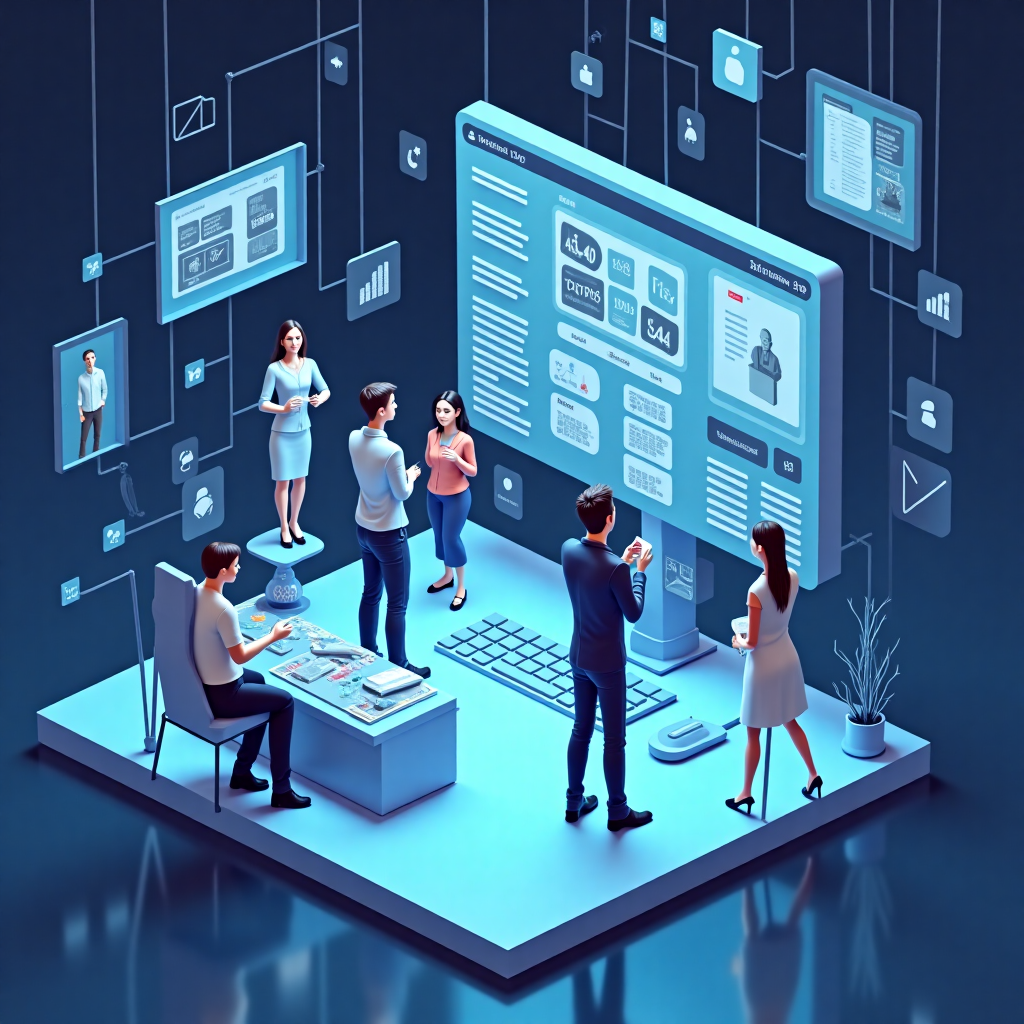
A true digital twin isn’t a one-time creation; it’s a living entity in a constant dialogue with its physical “twin.” This is achieved through a continuous loop of data. Sensors embedded in the physical asset collect real-time data on performance, condition, and environment (like temperature, pressure, vibration, or location). This data is streamed to the virtual model, which updates itself accordingly. In turn, the insights derived from the virtual model—through simulation, analytics, or machine learning—can be used to instruct the physical asset, optimize its operation, or predict necessary maintenance.
The Key Components of a Digital Twin System
- The Physical Entity: The real-world object, machine, system, or process.
- The Virtual Model: The digital counterpart, often a detailed 3D simulation with embedded physics and logic.
- The Data Connection: The bidirectional flow of data (via IoT sensors and actuators) that keeps the two twins synchronized.
- The Analytics & AI Engine: The brain that processes the data, runs simulations, detects anomalies, and generates insights.
Transforming Industries: Real-World Applications
The power of digital twin technology lies in its versatility. Its applications span across virtually every sector, driving efficiency, innovation, and cost savings.
Manufacturing and Industry 4.0
This is perhaps the most mature application area. Manufacturers create digital twins of entire production lines or individual machines. Engineers can simulate new product designs, test different manufacturing processes, and identify bottlenecks—all in the virtual space—before committing a single physical resource. Once operational, the digital twin monitors equipment health, predicting failures before they occur (predictive maintenance), which minimizes costly downtime and extends asset life.
Smart Cities and Infrastructure
Urban planners and city managers are building digital twins of entire cities. These complex models integrate data on traffic patterns, energy consumption, water networks, and building occupancy. Officials can simulate the impact of a new public transit line, manage emergency response during a natural disaster, optimize waste collection routes, and plan for sustainable growth. For example, a digital twin of a bridge can monitor structural stress in real-time, alerting authorities to potential safety issues long before they become visible to the human eye.
Healthcare and Life Sciences
In healthcare, the potential is profoundly personal. Researchers are developing “patient-specific digital twins” using medical imaging, genomics, and real-time biometric data. This allows doctors to simulate how a disease might progress in an individual or test the efficacy and side effects of different treatment plans virtually before administering them to the patient. On an operational level, hospitals use digital twins to manage patient flow, optimize staff schedules, and track medical equipment.
Aerospace and Automotive
The aerospace industry was an early adopter. Companies like Airbus and Boeing use digital twins throughout an aircraft’s entire lifecycle—from design and testing to in-flight monitoring and maintenance. In automotive, digital twins are crucial for developing autonomous vehicles, simulating countless driving scenarios in a virtual world to train AI systems safely. They are also used to optimize electric vehicle battery performance and design more efficient supply chains.
The Benefits and The Inevitable Challenges
Adopting digital twin technology offers a compelling value proposition, but it is not without its hurdles.
Tangible Advantages
- Enhanced Innovation & Faster Time-to-Market: Rapid prototyping and virtual testing dramatically shorten development cycles.
- Improved Operational Efficiency: Real-time optimization of processes and predictive maintenance boost productivity.
- Better Decision-Making: Data-driven insights provide a single source of truth for stakeholders.
- Risk Mitigation: The ability to simulate “what-if” scenarios in a safe, virtual environment reduces physical and financial risk.
- Extended Asset Lifecycle: Proactive care and optimized usage prolong the value of expensive physical assets.
Significant Challenges to Overcome
- Data Complexity & Integration: Creating a high-fidelity twin requires aggregating massive, often siloed, datasets from disparate sources.
- Security and Cyber-Risk: A digital twin connected to critical infrastructure becomes a high-value target for cyberattacks, requiring robust security frameworks.
- High Initial Investment: The cost of sensors, software platforms, and skilled personnel can be a barrier to entry, especially for SMEs.
- Need for Specialized Skills: Success requires a blend of expertise in data science, IoT, domain-specific knowledge, and systems engineering.
The Future of Digital Twins: Convergence and Cognition
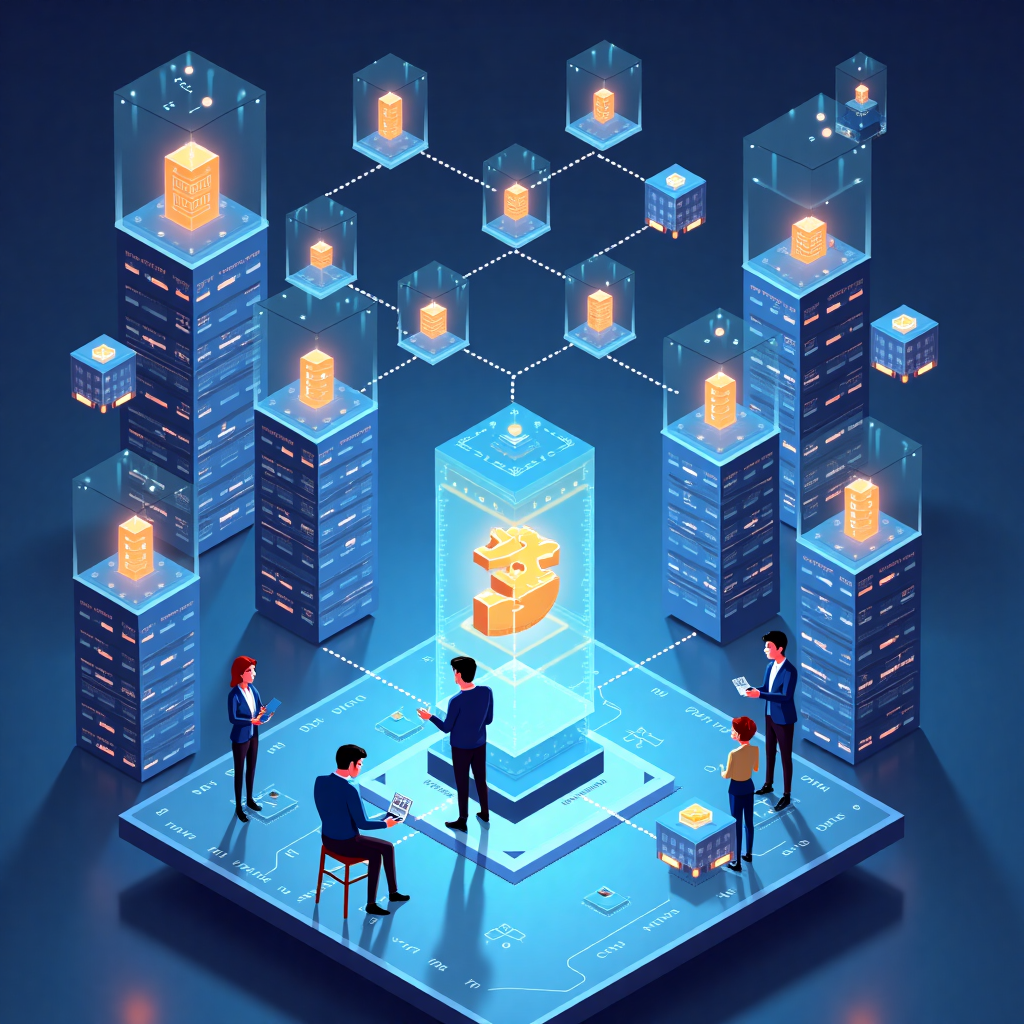
As we look ahead, the trajectory of digital twin technology points toward even greater integration and intelligence. We are moving toward the concept of enterprise-wide digital twins and even twins of twins—where individual asset twins are interconnected to form a twin of an entire system, like a global supply chain. The convergence with AI, particularly generative AI, will enable “cognitive digital twins” that can not only simulate and predict but also autonomously propose and even implement optimizations.
Furthermore, the rise of the metaverse presents a fascinating frontier. Digital twins could form the foundational layer of industrial and civic metaverses—persistent, immersive virtual worlds where professionals can collaborate, train, and interact with complex systems in ways previously confined to science fiction. The line between the physical and digital will continue to blur, creating a symbiotic relationship where each world informs and improves the other.
Conclusion
Digital twin technology represents far more than a technical novelty; it is a paradigm shift in how we interact with and manage the physical world. By creating a dynamic, data-rich mirror of reality, we gain a powerful tool for insight, foresight, and innovation. The challenges of implementation are real, but the potential rewards—increased efficiency, sustainability, safety, and personalized solutions—are transformative. As sensors become ubiquitous, connectivity expands, and AI grows more sophisticated, the digital twin will cease to be a specialized tool and become a standard operating lens through which we design, build, and steward our future. We are not just building smarter machines or cities; we are building a continuous, intelligent dialogue between atoms and bits, and that conversation is just beginning.